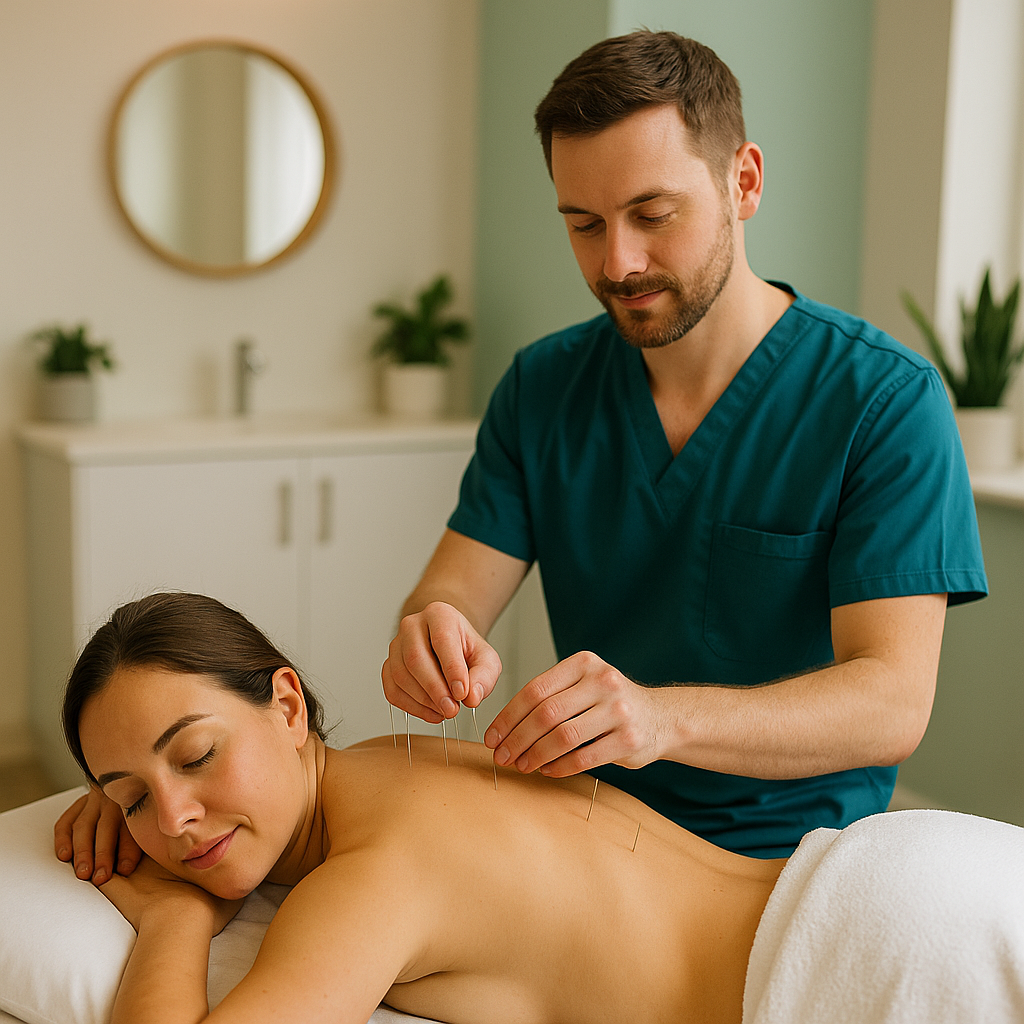
Acupuncture, an integral part of Traditional Chinese Medicine (TCM) has been practised for thousands of years and is recognised for its holistic approach to health and well being. This ancient therapy involves the insertion of thin needles into specific points on the body to stimulate energy flow and promote healing. The aim of this is to treat the person rather than the symptoms.
History of Traditional Chinese Acupuncture (TCA)
Acupuncture was developed over 2000 years ago in ancient China. The practice evolved from observations of the natural world and the human body's relationship with it. Traditional Chinese Medicine views health as the harmonious balance of Yin and Yang and the free flow of Qi or vital energy through the body's meridian pathways.
Principles of TCA
According to TCM, Qi flows through the body along specific pathways called meridians.

Health problems arise when Qi becomes blocked or imbalanced. Acupuncture aims to restore the smooth flow of Qi by stimulating points along these meridians. Acupuncture seeks to restore the balance between Yin (negative, dark, passive) and Yang (positive, bright, active) energies within the body. Imbalances between these are believed to cause illness and discomfort.
TCA is also influenced by the Five Elements theory (Wood, Fire, Earth, Metal, Water) which correlates with various organs, seasons, emotions, colour, sound and odour.
What to Expect from an appointment
The practitioner will take your medical history, read your pulse, examine your site of symptoms and look at your tongue. Your individual treatment plan will be based on your current health and lifestyle. The practitioner will decide which combination of points is right for your whole body as well as your symptoms. Sometimes acupuncture needles are inserted for a second or 2, or you may be asked to rest for a while before the needles are removed. If an alternative technique such as moxibustion or cupping is considered the practitioner will explain these to you. Quite often musculoskeletal problems may also be treated in combination with massage. While individual responses to acupuncture may vary, many people find relief and improvement in their symptoms through regular treatment.

What can Acupuncture help
Traditional Chinese Acupuncture has gained recognition in modern medicine for its effectiveness in treating various conditions including:
- Musculoskeletal problems and pain management (back pain, neck pain, arthritis, etc)
- Migraines, headaches and vertigo
- Stress reduction and mental health (anxiety, depression, insomnia, promoting relaxation and overall emotional well-being)
- Womens Health (regulating menstrual cycles, symptoms of menopause, fertility and support through IVF)
- Digestive disorders (improve digestion, relieve symptoms of IBS, crohns, colitis, and support gastrointestinal health)
- Respiratory Disorders (asthma, hayfever, rhinitis, sinusitis)
- Chronic Fatigue Syndrome (alleviate fatigue and improve energy)
- Smoking Cessation (support by helping to reduce withdrawal symptoms)
- Immune Support (support overall health and well-being, preventing illness and promoting resilience)
Conclusion
Traditional Chinese Acupuncture offers a holistic approach to health and healing, rooted in ancient wisdom and philosophy. By balancing the body's energy and addressing underlying imbalances, acupuncture aims to promote physical, emotional, and spiritual well-being. While it may have originated thousands of years ago, its relevance and effectiveness continues to be recognised in modern medicine, making it a valuable option for those seeking natural and holistic healthcare solutions. Whether used alone or in conjunction with other treatments, acupuncture offers a gentle and non-invasive way to support the body's innate healing mechanisms and restore balance.
If you would like to try TCA or if you would like to know more about it, don't wait any longer and book a free consultation appointment now!
About Kate Adams
Kate Adams is a practitioner at b2 Chalfont Clinic with extensive experience helping patients achieve optimal health through evidence-based care.
View Full ProfileReady to Start Your Health Journey?
Book a free 10-minute consultation to discuss your concerns
Book Your Consultation